

Paya Lebar Retail Uniforms: Plan by Staff Role
A practical retail uniform plan for Paya Lebar shops: identify staff roles, set apparel standards and keep reorders consistent.
In a retail environment, a uniform is part of the customer’s wayfinding system. Shoppers need to distinguish a staff member from someone browsing, especially when a store team moves between tills, stockrooms and product demonstrations. For Paya Lebar’s mix of mall-based and neighbourhood retail, the useful starting point is a role-based uniform system, not simply ordering the same shirt for every employee.
Draw a simple map of customer interactions
Think about the first thirty seconds of a customer’s visit. Who greets them, answers product questions, retrieves a size from the stockroom or manages a queue? Decide whether all roles should share the same top or whether a supervisor needs a subtle distinction. A different name badge can sometimes solve this more economically than creating a separate shirt design.
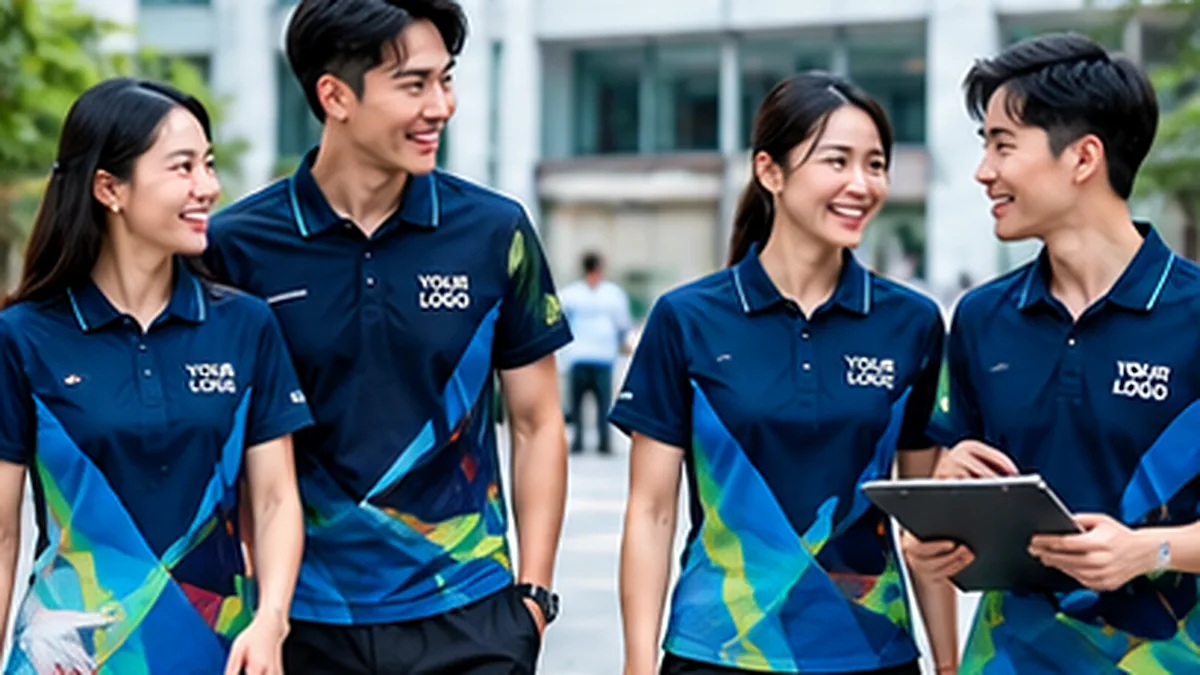
Keep the system visible but not confusing. Two coordinated colours may communicate roles clearly; five unrelated shades can make the shop look disorganised. A floor team that wears navy polos with a small chest logo could use the same colour across both permanent and temporary employees.
Test fit under actual store conditions
Retail movement includes reaching high shelves, lifting cartons, crouching and standing beneath bright lights. Test garments for arm movement, hem length, opacity and collar stability. Ask staff to perform these ordinary motions while wearing the intended trousers or skirts. A shirt that looks polished while standing still may ride up during stock handling.
Singapore’s warm conditions also make fabric weight and drying behaviour practical considerations, especially for employees moving between loading areas and air-conditioned shop floors. Request garment samples rather than assuming a fabric description such as ‘microfiber’ tells the whole story.
Keep branding readable without overdoing it
An embroidered chest logo is common on polos, whereas a larger printed mark may work for promotional T-shirts. If employees wear lanyards, check whether the front mark becomes covered. If the store uses an apron, verify whether a polo logo is even visible. The goal is recognition, not filling every available panel with artwork.
For stores with several outlets, record garment SKUs, colours, approved logos and staff size counts centrally. This makes replacement orders less likely to drift in colour or logo position over time.
A two-stage pilot works better than guessing
Before ordering for everyone, conduct a short wearer trial with a few roles and body types. Ask for feedback on comfort, pocket placement and fabric appearance after washing. Then approve a single specification sheet that includes product code, colour, logo method and placement, sizing method and reorder contact.
| Staff role | Useful uniform test |
|---|---|
| Cashier | Logo visible above the counter |
| Sales floor | Comfortable reaching and movement |
| Stockroom | Fabric strength and easy laundering |
| Promoter | Clear identification and suitable temperature comfort |
If you’re replacing several different staff outfits with one coordinated system, begin with the SingaporeUniform website. JCP’s corporate shirt service article also outlines branding methods to discuss with the supplier.
Frequently asked questions
Should retail staff uniforms include employee names?
A removable name badge is often easier for staff turnover; permanent names can suit certain roles but require more planning.
Can one uniform style cover permanent and temporary staff?
Yes, provided stock and sizing are practical and the team can be clearly identified.
More on JCP services: JCP production methods and material guide. Specific fabric, sizing, stock and lead-time recommendations should be confirmed for your order.