

Heavyweight Oversized T-Shirts vs Regular Cotton Tees: Which Should You Order?
Compare heavyweight oversized T-shirts with regular cotton tees for merchandise, retail and staff use, including GSM, fit, care and print placement.
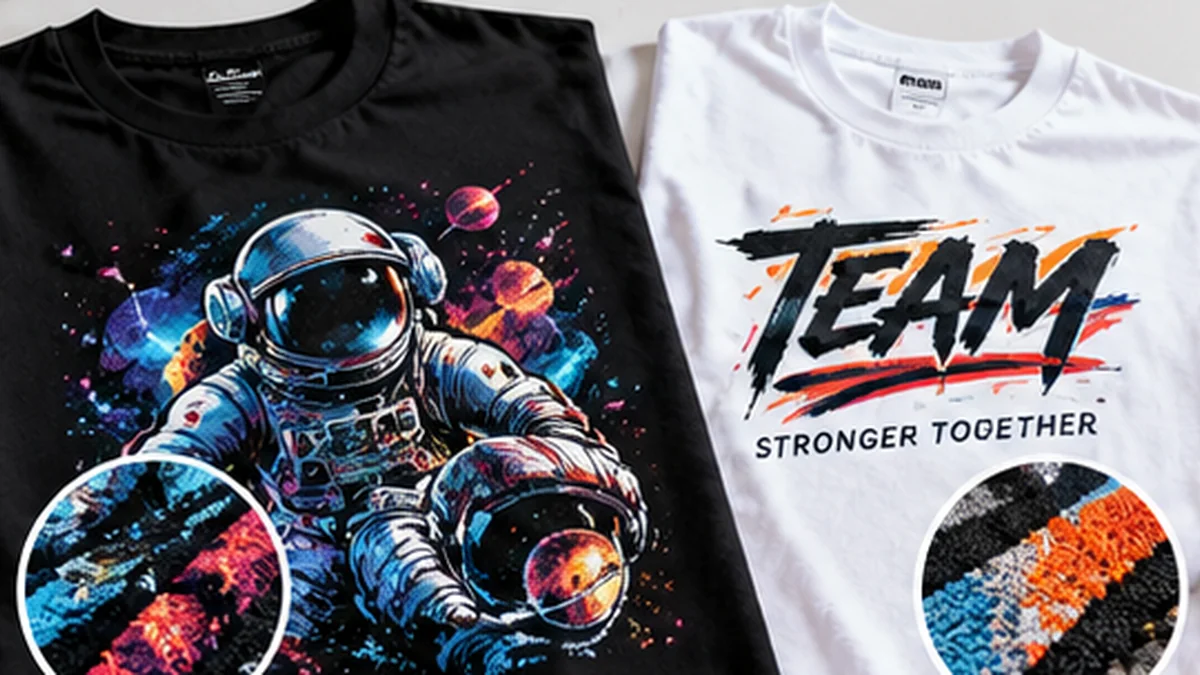
A T-shirt can carry the same design yet feel like a completely different product depending on its weight and cut. A regular cotton tee generally aims for familiar everyday comfort, while a heavyweight oversized shirt makes the fabric, dropped shoulder and boxy outline part of the look. Neither is automatically more premium for every purpose, so the right choice begins with how the shirt will be worn and sold.
This distinction matters for small clothing labels, staff merchandise, club apparel and limited-edition promotional drops. A bold graphic can look intentional on a roomy heavy tee and awkwardly oversized on a narrow standard fit. Conversely, a thick streetwear blank may be unnecessarily warm for a crew that spends long hours outdoors. Product photographs are useful, but fabric hand feel and real measurements settle the debate.
What GSM tells you—and what it does not
GSM means grams per square metre, a measurement of fabric weight rather than the weight of a finished shirt. A higher number generally indicates a heavier textile, but it does not guarantee softness, durability or better stitching. Yarn quality, knit structure, finishing and the fabric blend can make two shirts of similar GSM behave very differently after washing.
For example, a heavyweight cotton shirt around the low-200s GSM can hold a boxy silhouette and make large artwork feel substantial. That does not make a lighter tee defective; lower-weight cotton can be more comfortable for long outdoor shifts or economical bulk distribution. When comparing products, read the specifications beside the actual fit chart, and request a physical sample rather than choosing by GSM alone.
Fit is more than choosing a larger size
An oversized tee is not merely a regular shirt purchased two sizes too big. Purpose-made oversized blocks commonly use a wider body, different sleeve length and lower shoulder seam while keeping the neck and body length proportionate. Enlarging a standard fit may create an overly long hem or a loose collar without achieving the intended look. That distinction is especially visible in group photographs and retail product displays.
Measure chest width, shoulder width, body length and sleeve opening from a sample. Then decide whether the brand wants a relaxed silhouette, a truly boxy streetwear shape or an accessible unisex fit. Consider how petite and broad-shouldered wearers will experience the same cut. Multiple sample sizes make it easier to show customers a real fit instead of promising that the label is universally flattering.
Think about climate, activity and washing
For hot, humid everyday use, the heaviest cotton option can feel substantial but may also dry more slowly after washing. For air-conditioned retail spaces or merchandise worn casually, that weight may be part of the appeal. If the shirt will be used during physical activity, quick-drying performance fabrics may be more practical than either cotton option, although they will have a different touch and drape.
Care instructions also influence repeat purchases. Test how the collar holds its shape, whether the body twists after washing and whether the hem remains flat. A single wash is not a complete laboratory test, but comparing two washed samples under identical conditions can reveal useful differences. Avoid promising zero shrinkage unless that claim has been established for the specific product and care conditions.
Match print size to the silhouette
The extra chest and back width of an oversized tee creates more visual room, but artwork should still be planned in measured centimetres. Large back graphics, small left-chest motifs and sleeve details can work well when their placement is approved on the actual size range. The same print coordinates copied from a regular tee may land too high, too low or too far from the sleeve edge on a boxier pattern.
A full-colour illustration might suit DTF or heat-press decoration, while a simple solid design produced in higher volume may be worth evaluating through silkscreen printing. Neither method solves a poorly chosen blank. Test the combination of fabric, print coverage and wash care before settling on the final order.
The economics of retail versus staff use
For branded merchandise sold to customers, fabric weight and silhouette are part of the product story. A more expensive blank may support a different retail position when finishing, packaging and photographs also feel considered. For staff shirts that need frequent replacement, a comfortable, consistent model and repeat availability may matter more than a deliberately fashionable cut. Buying for both purposes with one specification is not always efficient.
When comparing suppliers, separate the blank shirt cost from decoration, sampling and delivery. JCP lists both heavier fashion-oriented styles and everyday garment ranges within its apparel catalogue, which gives buyers a useful starting point for comparing categories rather than treating all cotton tees alike. Request stock availability in the required sizes, because one missing size can undermine a whole coordinated launch.
Approve a physical sample before printing a full run
Ask to see the actual colour under daylight and indoor lighting. Dark colours may show lint and wash fading differently from lighter shades, while the same printed ink can appear visually different against cream, charcoal or black fabric. Check seams, neckline recovery, shoulder shape and the print position on at least two sizes. For retail merchandise, photograph the samples on different body types when feasible.
If you are using heavyweight shirts as staff uniforms, try a full shift in the proposed sample rather than judging comfort during a two-minute fitting. Consider mobility at counters, under aprons and while lifting boxes. A striking product photograph is not evidence that the fit will work in the workplace, and a short wear trial can prevent a large, costly reorder.
Frequently asked questions
Does higher GSM always mean better quality?
No. GSM describes fabric weight. Fibre quality, knit, finishing, stitching and performance after washing are equally important. A lighter shirt can be excellent for its intended use, while a heavy shirt can still be poorly constructed. Compare samples rather than relying on one figure.
Can an oversized shirt use the same artwork as a regular tee?
Usually the design file can be reused, but placement and print dimensions should be checked again. Larger panels and changed shoulder lines alter how a print sits on the body, especially for sleeve graphics and low back placements.
What should be included in the quote?
Specify garment model, fabric composition, GSM where available, sizes, colourways, decoration method, print dimensions, quantities and required sample approval. Ask whether different garment sizes incur the same decoration cost and whether the selected blank can be reordered later.
Choose the shirt that suits the real use case: regular-fit cotton for familiar, versatile wear; heavyweight oversized styles when drape and silhouette are central to the product. A well-matched blank, correctly sized artwork and documented sample will do more for customer satisfaction than marketing labels alone.