

How to Wash DTF-Printed Uniform T-Shirts Without Premature Damage
Practical care advice for DTF printed uniforms, including washing, drying, ironing, print placement and quality checks.
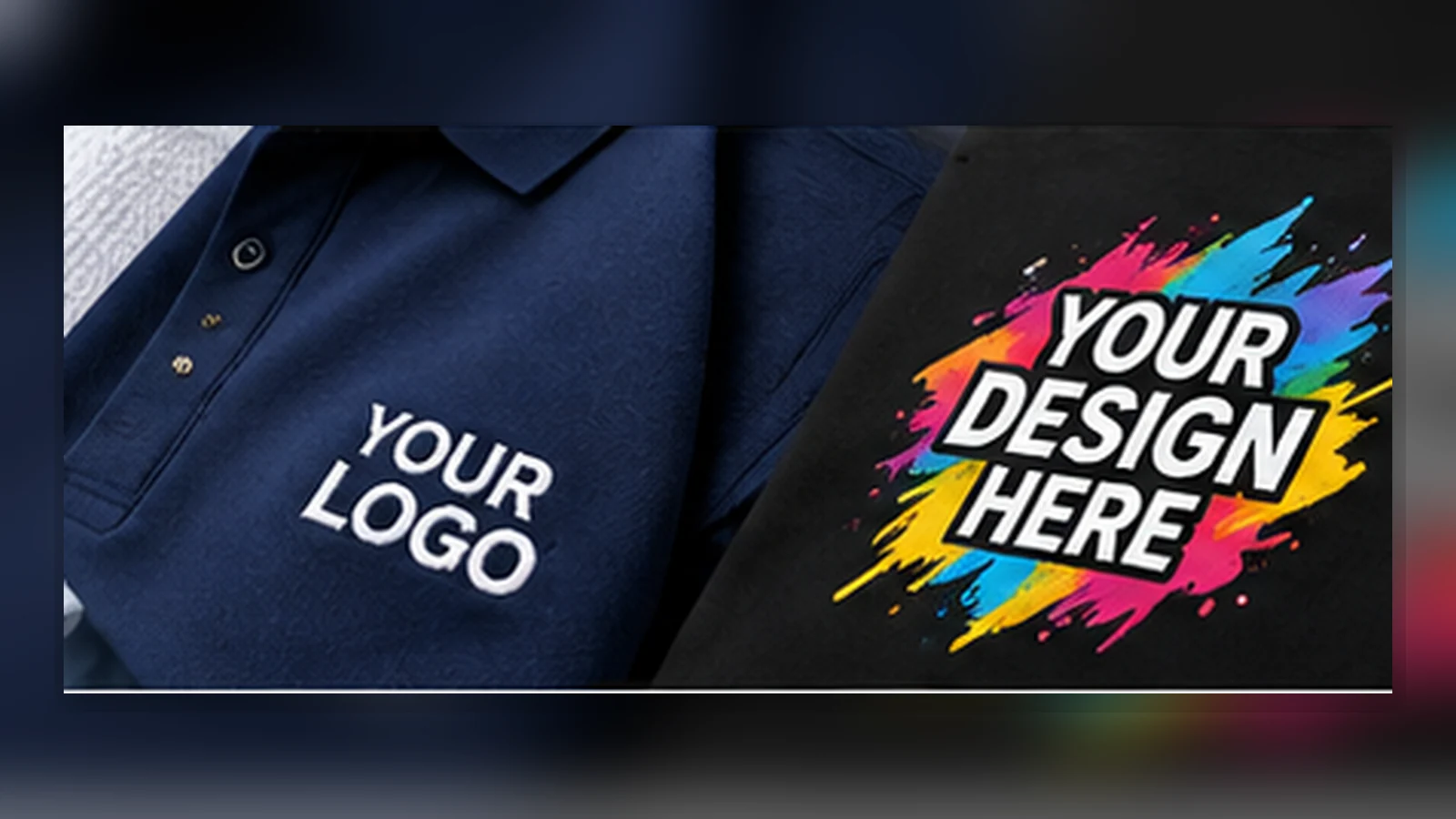
A colourful DTF transfer may look flawless on delivery but its useful life depends on much more than the artwork file. Fabric choice, heat-press application, the amount of ink coverage and the way staff wash their shirts all affect how the print ages. Uniform buyers can make a real difference by agreeing on a care process before hundreds of garments enter daily rotation.
There is no honest promise that every transfer will remain unchanged after a fixed number of washes. A sample shirt, a wash test and realistic expectations offer better protection than slogans about permanent printing. The following checks help teams preserve their logo while recognising the limits of ordinary workwear.
Start with the application, not the detergent
DTF is transferred to the garment with heat and pressure. A clean, correctly cured film, compatible fabric and accurate press settings create the foundation for adhesion. Excessive heat can mark or distort fabric, while inadequate conditions may leave edges vulnerable. Buyers need not operate the press, but they should approve a sample showing smooth edges and a print that flexes naturally.
Look carefully around small letters, fine lines and narrow points. These areas often show application problems sooner than a large solid block. Ask for one finished shirt from the intended production method instead of reviewing only a digital mock-up. JCP includes heat press and other apparel-printing options in its service information.
Turn shirts inside out before washing
Turning printed garments inside out reduces direct rubbing between the decoration and other clothes, zips or buttons. It does not make a weak transfer strong, but it removes one avoidable source of abrasion. Wash with compatible colours and follow the shirt manufacturer’s care label, particularly where blended or quick-dry fabrics are involved.
For shared uniforms, make the instruction simple enough for everyone to remember. A two-line care notice distributed with the first issue is more effective than a lengthy policy nobody reads. Use a mild routine and avoid unusually aggressive mechanical treatment when the garment does not require it.
Avoid unnecessary heat and chemicals
High wash temperatures, tumble drying and direct ironing over printed artwork can speed deterioration on some transfers. Bleach and harsh stain removers may affect both the print and the shirt colour. Exact limits depend on the materials and supplier instructions, so any numerical temperature guidance should come from the approved garment and print specifications.
When a stain appears next to a print, do not scrub the edge with a stiff brush. Treat the surrounding fabric gently, rinse appropriately and inspect the area after drying. If the shirt requires industrial laundering, disclose that before choosing DTF rather than discovering incompatibility during the first week.
Design for realistic stretching
Large, solid printed rectangles across the chest can feel stiffer than smaller motifs, particularly on stretchy sportswear. Placement near side seams, underarms or the fold line of a pocket may experience repeated movement. A logo that follows the garment’s natural flat area usually holds its visual shape better than artwork forced across seams or contours.
Try the finished shirt on someone who moves throughout the day. Have them raise their arms, bend and sit while checking whether the print feels restrictive. A modest chest logo plus a sensibly sized back design may be more wearable than maximum print coverage on every garment.
Run a wash-test before buying in volume
Digital artwork proofs confirm placement and colour intention, but only a physical sample reveals stretch, touch and laundering behaviour. Wash the exact sample using the procedure employees are likely to follow. Record any edge lifting, colour shift, fabric change or uncomfortable stiffness, and compare the garment after more than one cycle.
A practical test is a small pilot issue to several job roles instead of a sample worn only for photographs. Inspect both the shirt and transfer under similar lighting. If durability falls short, revise the art coverage, fabric or decorating method before the full batch is authorised.
Write a care note for staff and reorders
Care guidance should travel with the order, not live only in an old email. Record the shirt model, fabric, transfer location, approved artwork and any special instructions. When staff reorder one shirt later, that information helps prevent an accidental change in material or print feel.
Keep the care note short and specific: turn inside out, use the garment-label wash instructions, avoid direct ironing over the transfer and inspect damage before the next issue. Replace shirts with lifting or damaged decoration when presentation matters; do not try to conceal defects by aggressive home heat treatment.
How to handle the first replacement
When the first printed shirt becomes damaged, compare it with a new piece before concluding that the whole method has failed. Look for whether wear is concentrated at a sharply folded area, near a seatbelt or at an edge of a dense block. One isolated defect may have a different cause from a consistent failure across several units.
Keep one approved unwashed sample in storage and note its production date. The comparison can reveal fading, fabric shrinkage or inconsistent later batches. Ask the production team to review the actual garment instead of sending only a close-up photograph of the damaged transfer.
At a glance
| Option | What to consider | Use or action |
|---|---|---|
| Before issue | Check print edges and garment fit | Spot application problems early |
| At washing | Follow care label; turn inside out | Reduce avoidable abrasion |
| At reordering | Reuse approved specs and proof | Protect consistency |
Questions buyers often ask
Can DTF be washed in a machine?
Commonly yes, when the garment and transfer are suited to machine washing and the supplier’s care instructions are followed.
Should I iron the back of the print?
Avoid direct high heat on the decoration. Check the manufacturer’s instructions and use a safer pressing method where necessary.
Is DTF always better than embroidery?
No. DTF is useful for detailed colour artwork, while embroidery suits many small corporate marks. The best choice depends on fabric, placement and wear expectations.
Care is a shared responsibility between the maker and the wearer. Evaluate the production sample, make laundry guidance easy to follow and keep decoration specifications for future reorders. A reliable printed uniform is one that still looks appropriate after normal work—not merely one that looks bright in the first product photograph.
For relevant product specifications and quotation preparation, consult available shirt styles.