

Light-Coloured Polo Shirts: Check Opacity Before a Bulk Order
White, light grey and pastel polos can look clean and professional, but the same fabric may become more transparent when stretched, backlit or damp. A bulk order is safer when opacity is checked on the actual garment, in the actual size range, before branding begins.
In This Article
Direct Answer
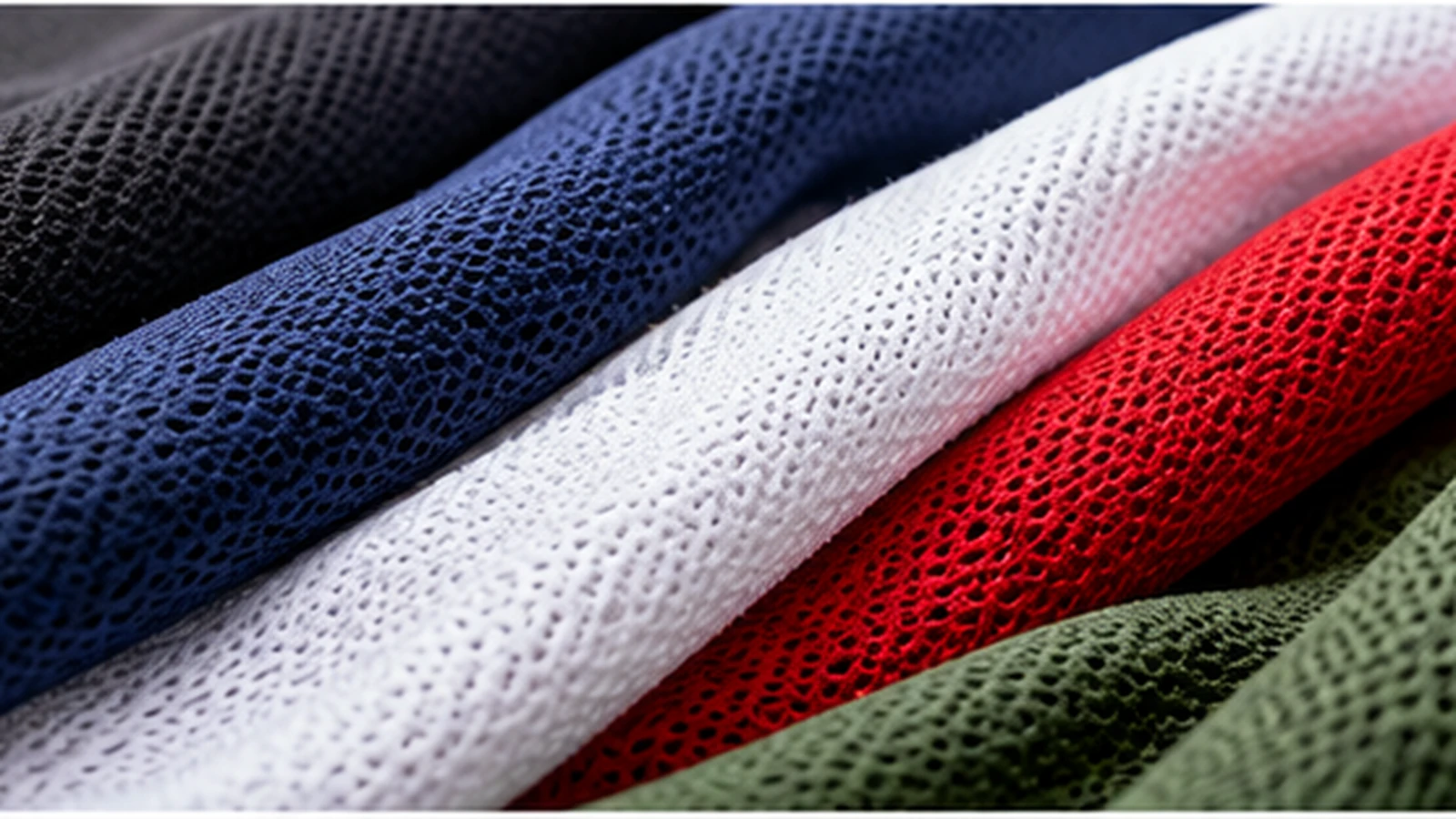
Check a finished sample on a person, not only a folded swatch. Opacity changes with fabric colour, knit structure, stretch and lighting, so inspect the polo over normal underlayers, under bright indoor light and from the back as well as the front.

Stretch Can Change What the Fabric Reveals
A polo that appears opaque while lying flat may become more see-through across the chest, shoulders or upper back once the fabric is under tension. That matters when staff choose a close fit or when the size range includes bodies that place different loads on the same garment pattern.
Test at least a few representative sizes rather than approving one medium sample and assuming every size behaves identically. If the fabric becomes noticeably more transparent only when overstretched, the fit decision may be the real problem rather than the fabric itself.
Use More Than One Lighting Condition
Retail floors, offices and reception areas can combine daylight, downlights and strong backlighting from windows. Light-coloured fabric may look solid in a meeting room but reveal underlayers when the wearer stands in front of a bright entrance.
A practical check is simple: view the garment under normal room light, near a bright window and under direct overhead lighting. The purpose is not to eliminate every trace of an underlayer; it is to confirm that the appearance is acceptable for the role and dress standard.
| Check | What to Look For | Possible Response |
|---|---|---|
| Flat sample | Base opacity | Continue to wear test |
| Worn fit | Transparency under stretch | Review size or fabric |
| Bright light | Backlighting effect | Change colour/fabric if needed |
| Branded sample | Backing or transfer show-through | Adjust method or backing |
Check What Branding Adds Behind the Fabric
Embroidery backing, dense stitching and some transfer applications create extra material on the inside of the shirt. On a very pale polo, a dark backing or strongly contrasting internal layer may be visible through the front even when the undecorated garment looked acceptable.
Approve one branded sample when appearance is sensitive. The sample should use the intended logo size, placement and production method, because a blank garment cannot show how the finished decoration changes opacity or local stiffness.
Set a Simple Approval Rule
Use the actual job environment and expected underlayer as the reference. If staff normally wear a neutral undershirt, test that combination. If the role requires the polo to be worn alone, judge it that way instead.
If opacity remains borderline, the practical options are to choose a denser fabric, a darker colour, a looser fit or an approved underlayer. Changing one of those variables is more reliable than hoping the bulk order looks different from the sample.
Approve opacity on a worn, branded sample—not on a folded swatch alone.
Frequently Asked Questions
Does higher GSM always mean better opacity?+
Not necessarily. Knit structure, fibre, colour and stretch also affect how much shows through.
Should white polos always use an undershirt?+
That depends on the garment and dress standard. Test the intended combination before ordering.
Can embroidery make a pale polo look different?+
Yes. Backing and dense stitching can change local thickness and may be visible through some fabrics.
Sampling Light-Coloured Corporate Polos?
JCP can help compare ready-made polo options and produce a branded sample before a larger uniform order.
Discuss Polo Options